The Andean Lakes Crossing has been a Patagonian classic for more than 110 years

This historic route links Argentina and Chile across a chain of Andean lakes and mountain passes, following pathways used long before modern tourism existed. Indigenous communities and Jesuit expeditions relied on these natural corridors to move between the two sides of the Andes.
The modern journey began in 1913, when Swiss guide Ricardo Roth led a group across the mountain range from Peúlla (Chile) to Bariloche (Argentina). The expedition marked the start of an organized binational route that would eventually become one of the most recognized travel experiences in Patagonia.
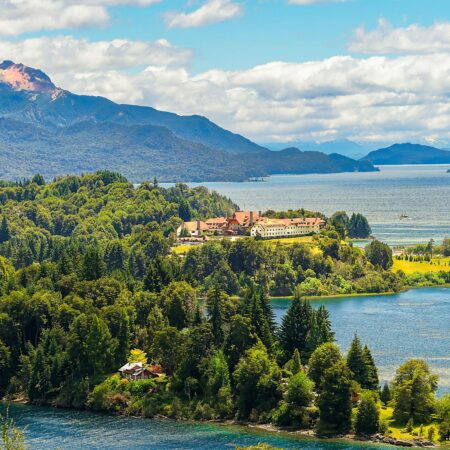
Today, the Andean Lakes Crossing operates as a combined overland-and-water transfer of roughly 110 miles (180 km) between Bariloche and Puerto Varas. It is widely referenced as one of the most scenic ways to cross the Andes, integrating lake navigation, short road sections, and uninterrupted views of volcanoes and temperate rainforest. The full journey typically requires 11 to 12 hours, depending on weather and border formalities.
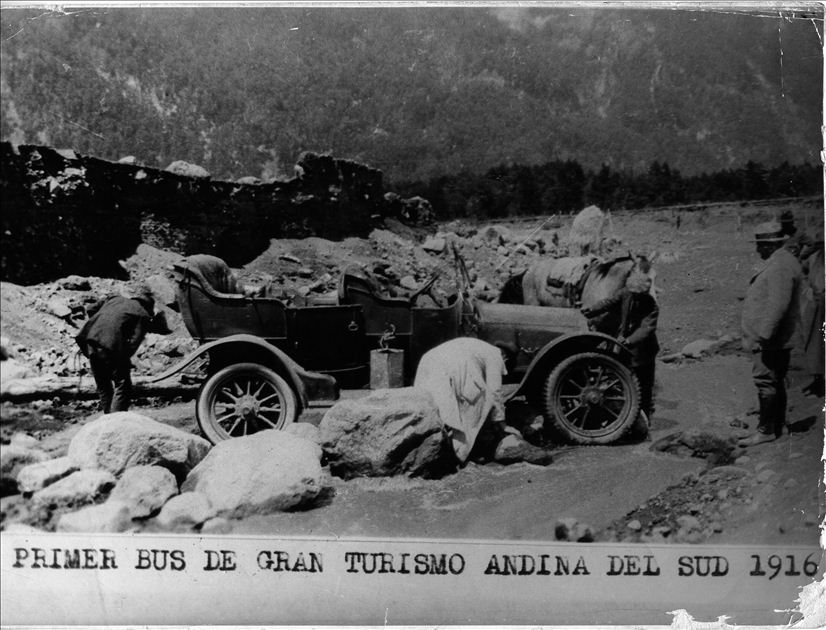
The route developed as a practical means of connecting two regions separated by the Andes, eventually taking shape as an eco-oriented circuit valued for its stable infrastructure, panoramic navigation and year-round operation.
Three lake segments—Nahuel Huapi, Frías and Todos los Santos—structure the journey, supported by four overland links between ports. High season generally brings daily departures, while shoulder and winter seasons may feature adjusted schedules. Multi-day programs allow overnight stays in Puerto Blest or Peúlla, two small localities set within protected landscapes and often highlighted in regional itineraries.
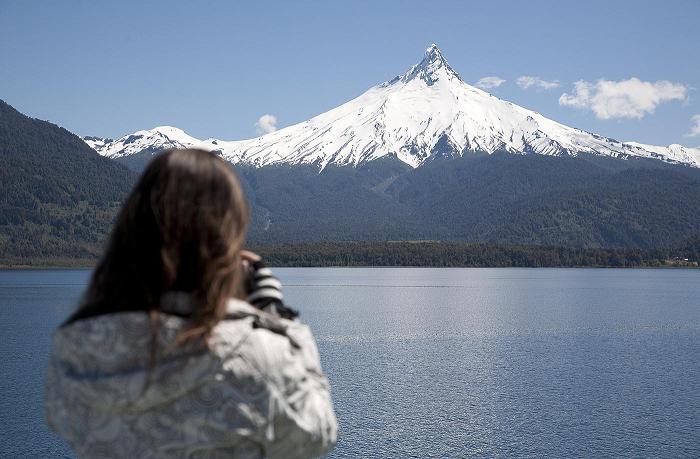
Long before Roth formalized the route, Jesuit travelers and Huilliche communities relied on these same pathways. The crossing follows historical trails that shaped early mobility in the southern Andes, giving the modern journey a clear cultural and geographical continuity.
The opening of scheduled navigation on Todos los Santos Lake strengthened links within Chile’s Lake District and contributed to the development of Vicente Pérez Rosales National Park, the country’s first national park and one of the oldest protected areas in the Americas. The combination of regular lake transport and mountain passes positioned the circuit as a reference point for binational travel.
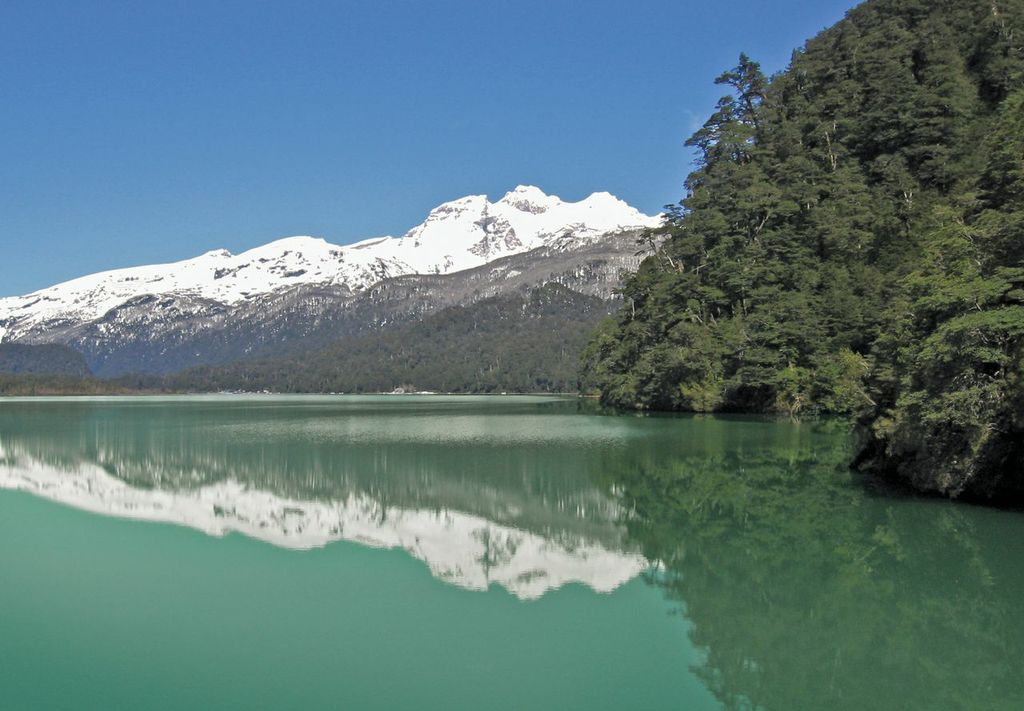
More than half a million travelers completed the Andean Lakes Crossing over the past decade. Many use the route not only as a landscape-focused experience but also as a practical connection between the Argentine and Chilean sides of Patagonia, avoiding long overland detours.
Shorter excursions remain available on both sides of the border. From Bariloche, the day trip to Puerto Blest and Frías Lake mirrors the first section of the crossing. From Puerto Varas, the navigation across Todos los Santos Lake to Peúlla serves as an independent excursion frequently chosen by visitors interested in the region’s national parks and volcano viewpoints.
As an international route, the crossing involves immigration procedures at Puerto Frías. Valid documentation for travel between Argentina and Chile is required, along with any authorizations for minors. The fare does not include meals, lodging, or the entrance fee to Vicente Pérez Rosales National Park, which follows Chile’s national park regulations.

Additional formats—such as Bike & Boat programs and multi-day packages with lodging—have expanded the circuit’s possibilities. These combinations integrate the crossing with regional activities including hiking near Mount Tronador, visits to the Petrohué Rapids and extended stays in the Lake District on both sides of the Andes.
More than a century after its first organized journey, the Andean Lakes Crossing remains a central route in Patagonia, linking two national parks, two lake districts and two countries through a corridor shaped by both history and landscape.