
A bird shaped by evolution for flight—yet destined to remain earthbound
There is a certain tenderness in watching something built for the sky, and knowing it will never reach it.
We all once believed we could—small hands, shut eyes, arms beating like wings—certain that life would let us rise.
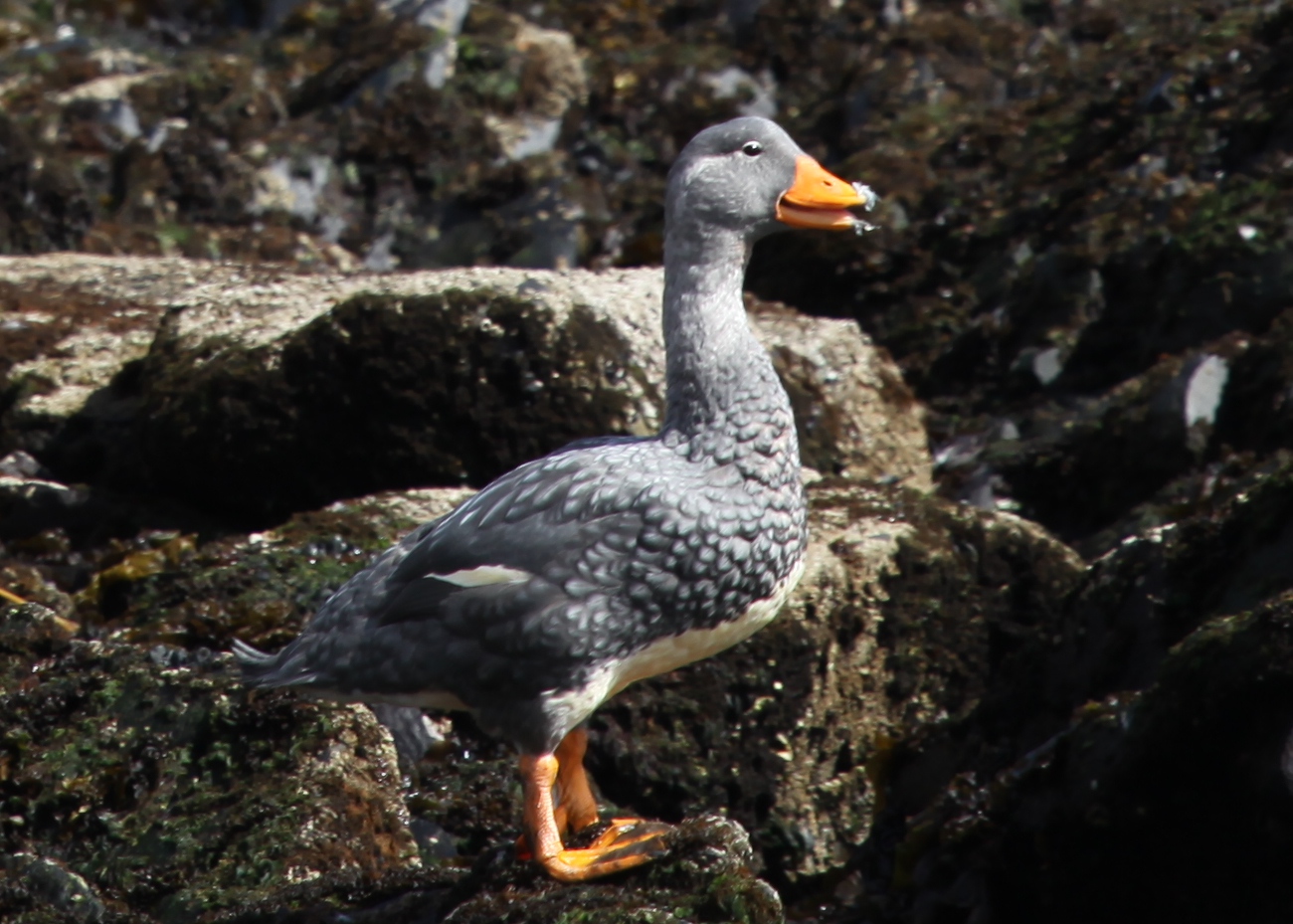
Far south in Patagonia, where the horizon seems endless, lives a bird that carries that same longing in its bones: the Steamer Duck.
On land, he looks almost misplaced, like an extra in a Disney film who never got to step into the spotlight.
Heavy body, short wings, a gait that seems too slow for a world built for predators and storms. A creature designed for flight, yet forever grounded, watching others trace perfect arcs across the sky—gulls slicing sunlight, cormorants threading the wind.
But Patagonia rewards those who look beyond first impressions. Because the moment he meets the sea, the story changes.
The weight that kept him earthbound becomes an anchor of strength beneath the surface. Here, where the water is iron-cold and restless, he moves like a creature rebuilt.
He doesn’t try to fly upward—he chooses to fly forward.
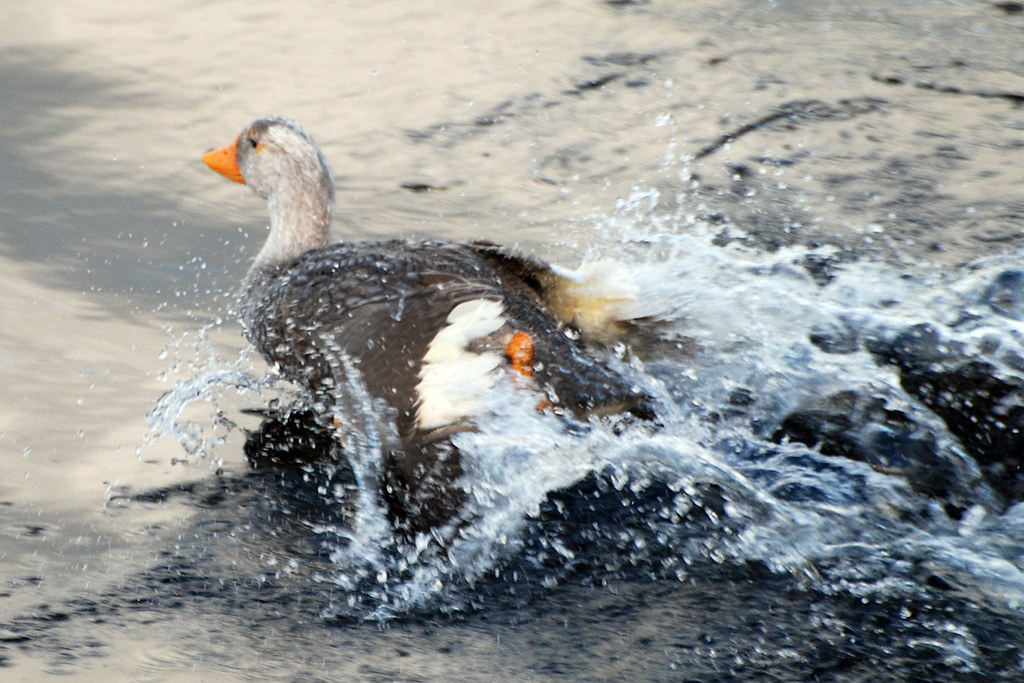
He runs across the ocean as if sprinting on glass.
Wings slap the water—not in failure, but in power.
They turn into oars, driving him with a kind of stubborn brilliance.
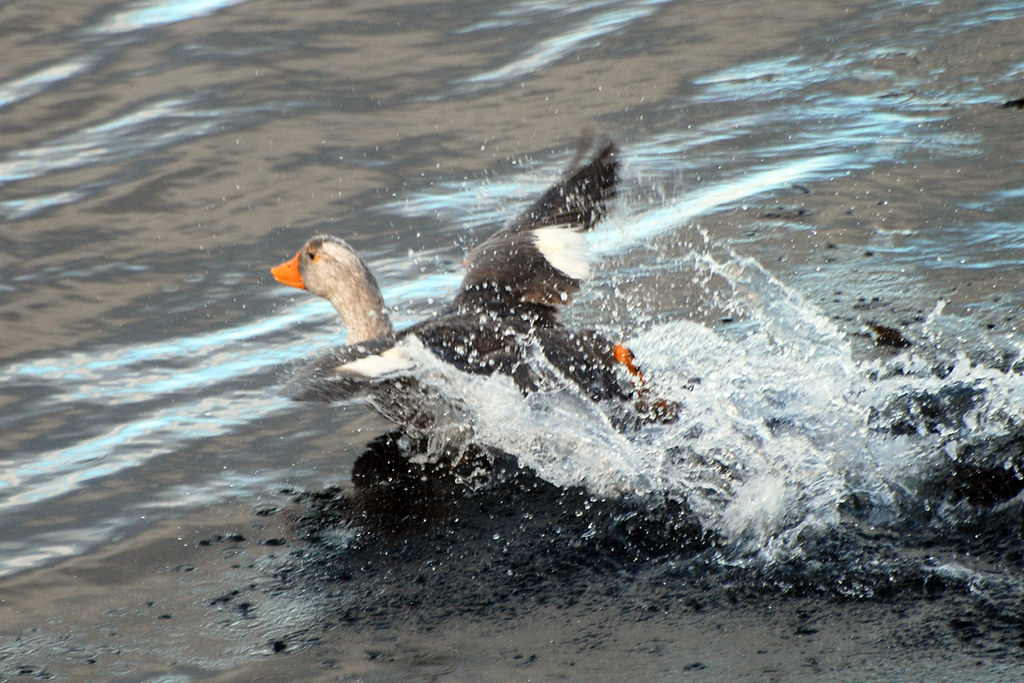
Foam explodes behind him. He cuts the sea like a paddle steamer charging upriver, fast, unstoppable. Not a mistake. Not a tragedy. A different kind of miracle.
A diver, a runner on water, a master of depths instead of heights.
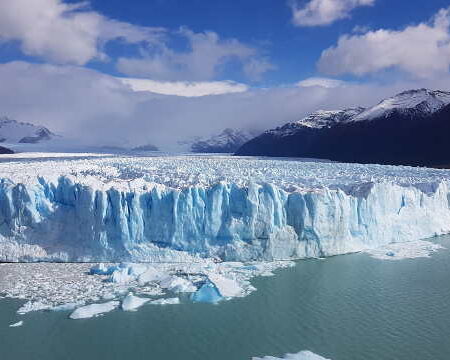
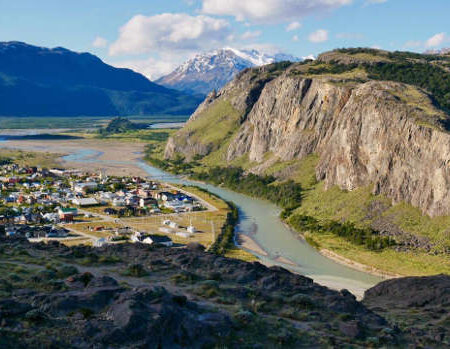
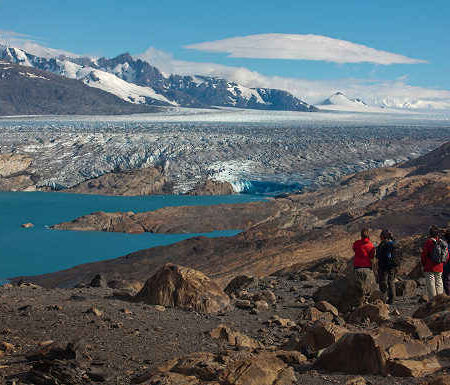
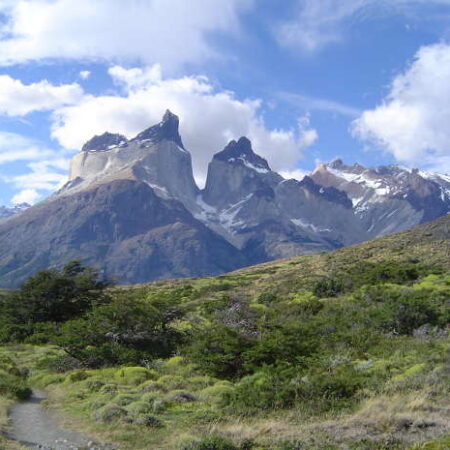
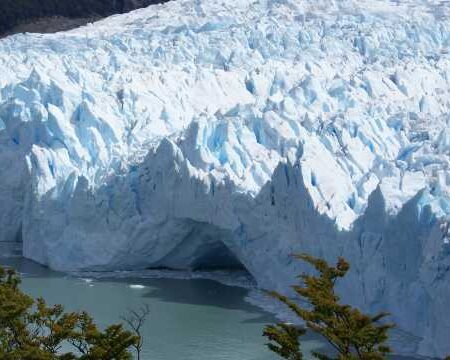
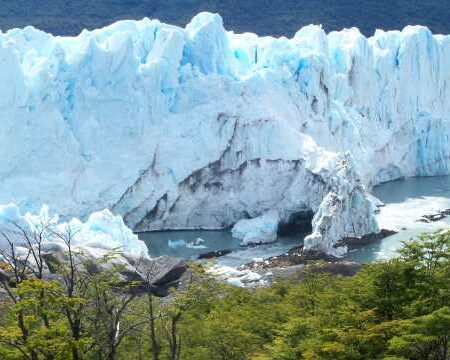
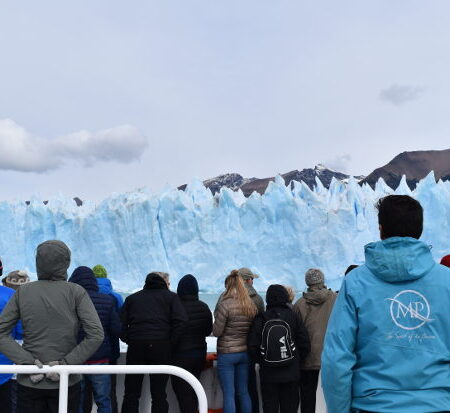
You come to Patagonia for glaciers, for silence, for wind.
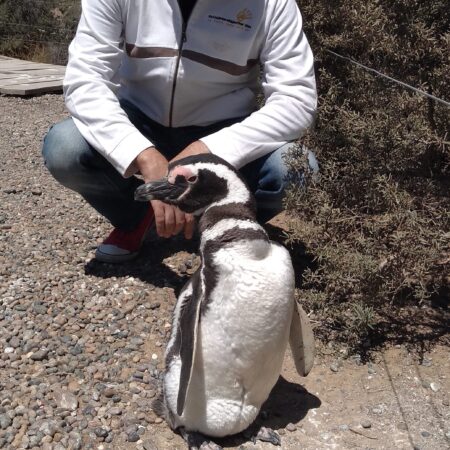
And sometimes, on a quiet shore, you meet this bird—designed to fly, yet soaring in its own direction.
And you understand something simple, and quietly powerful: not every destiny points upward.