Where is Patagonia Azul Provincial Park located?
Along the Atlantic coast of Chubut Province, in southern Argentina, lies a marine-coastal stretch of great ecological value that has just been designated a provincial park. The newly protected area covers approximately 295,135 hectares (about 1,139 square miles).
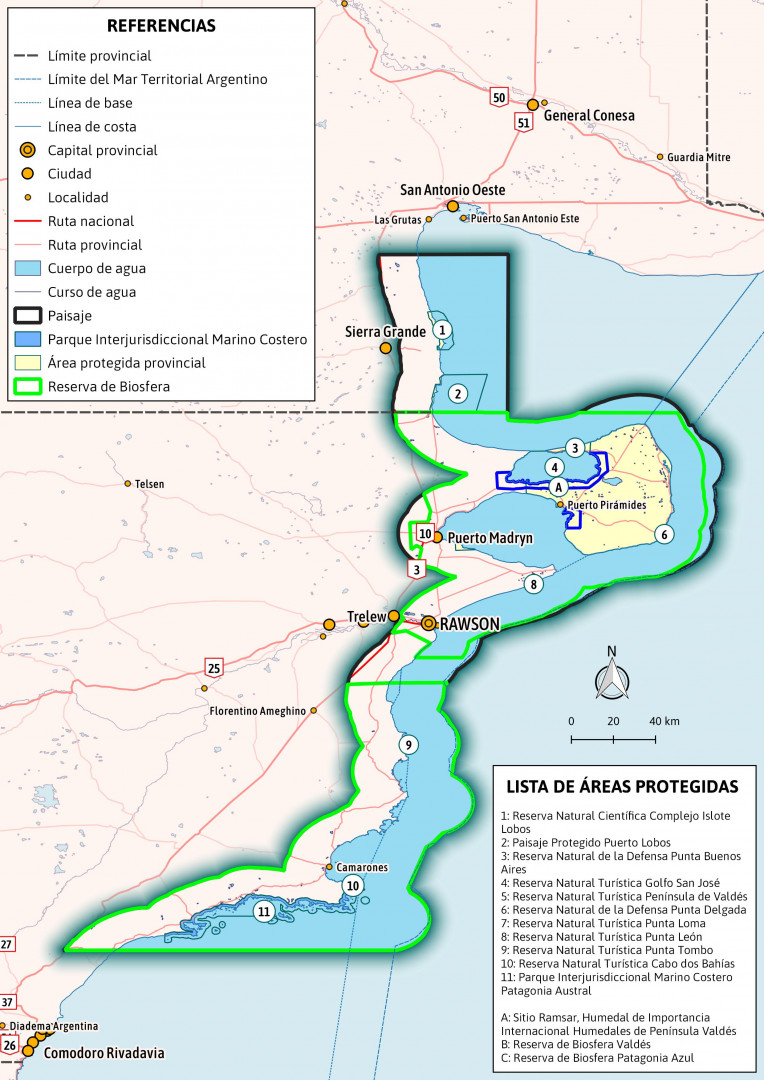
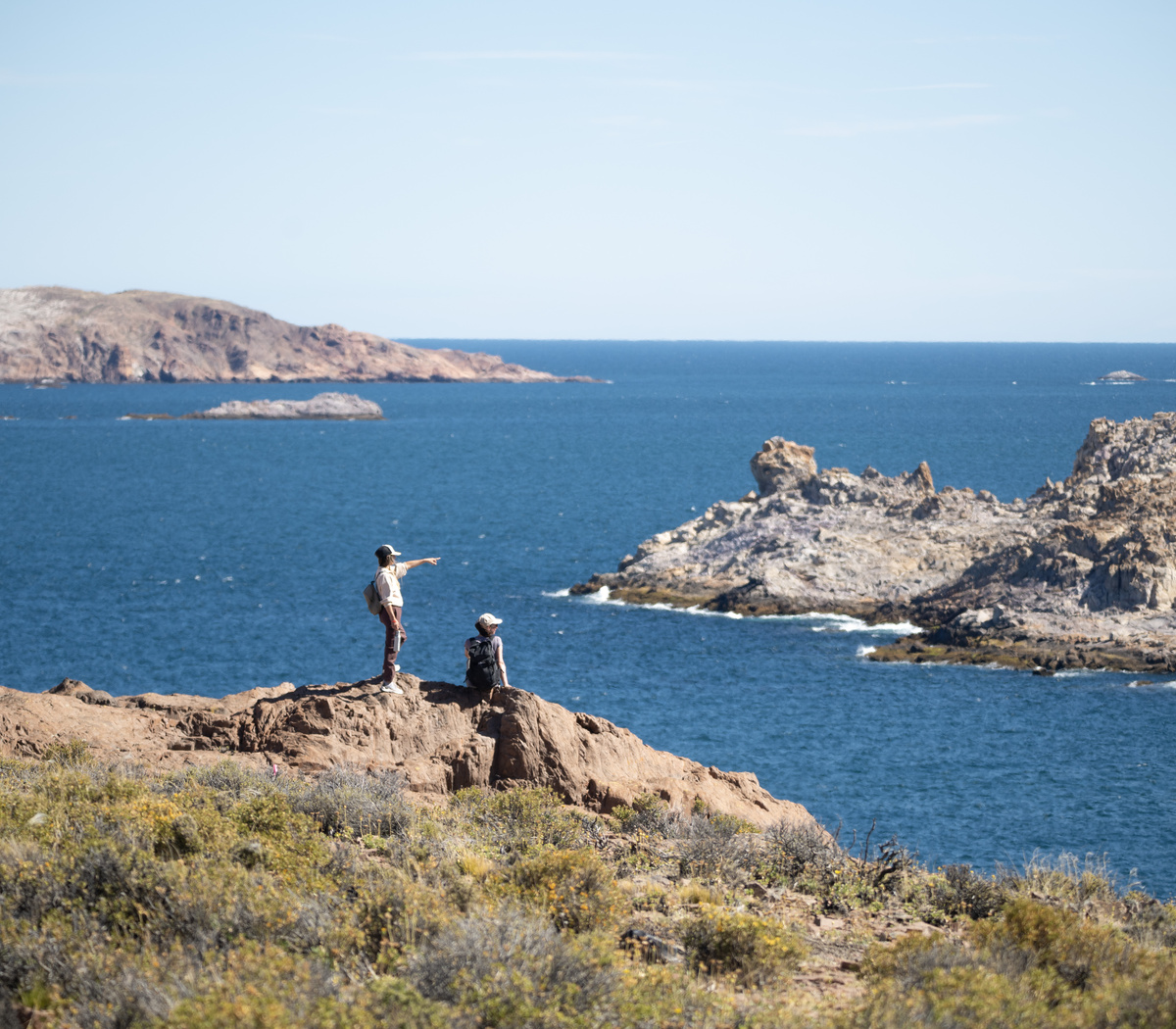
The territory includes islands, islets, bays, reefs, and rocky formations rising from the sea, and forms an integral part of the Patagonia Azul Biosphere Reserve.
Creation and legal framework
The creation of the park was unanimously approved by the Legislature of Chubut Province in 2025.
The legal instrument defines the boundaries and protection of this coastal-marine area, marking a significant step toward the conservation of marine ecosystems in Argentina.
Biodiversity and ecological value
The protected area shelters a remarkable diversity of marine and coastal fauna—more than 50 species of seabirds, including several that nest on the islets.
Among marine mammals, various species of whales stand out, along with South American sea lions and South American fur seals, which find key breeding grounds along this stretch of coast.
The islands and rocky intertidal zones host kelp forests and marine communities of fish and invertebrates, which enhance the park’s ecological value.

Objectives and challenges
The park serves a dual purpose: to grant legal protection to marine ecosystems that have long lacked regulation, and to foster opportunities for sustainable regional development in which coastal communities—such as the town of Camarones—play an active role.
Key challenges include industrial fishing near the protected boundaries, pollution from fishing waste or hydrocarbons, and the presence of invasive alien species that can disrupt ecological balance.
Regional impact
The creation of the park marks a milestone for Chubut, positioning the province as a national leader in marine conservation. It is also expected to generate economic benefits from nature-based tourism—such as marine wildlife watching—that could create local jobs and strengthen the coastal economy of nearby towns.
This new provincial park stands as a threshold between the open sea and regulated human activity: a space where biodiversity protection intertwines with the lives of coastal communities. In the vastness of the South Atlantic, it invites the coast of Patagonia to be seen not only as landscape, but as a living body of ecological, cultural, and economic relationships.