
The Frozen Jewel of Argentina
Where Is Perito Moreno Glacier Located?
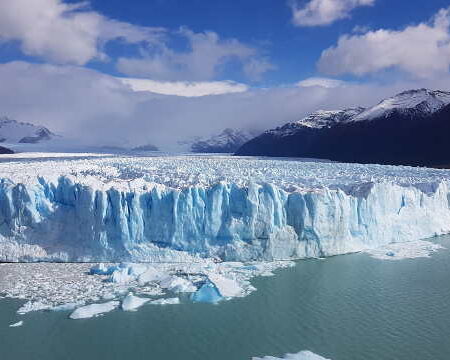
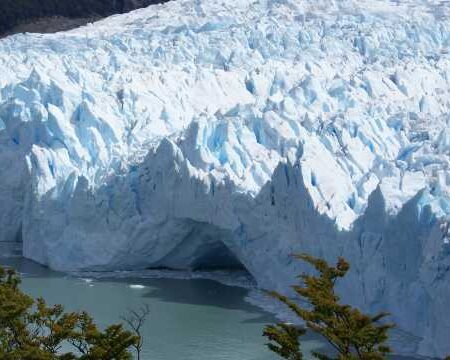
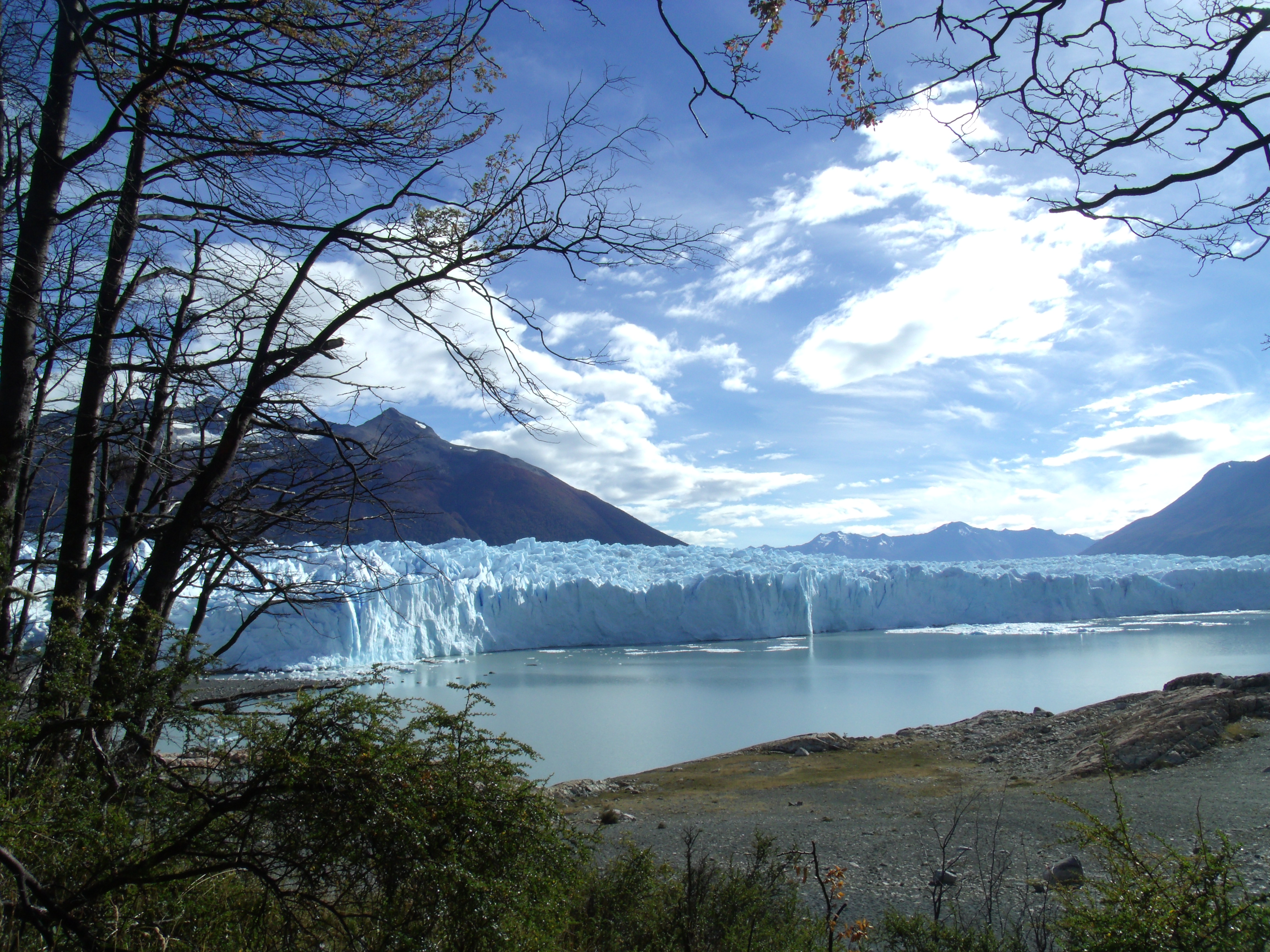
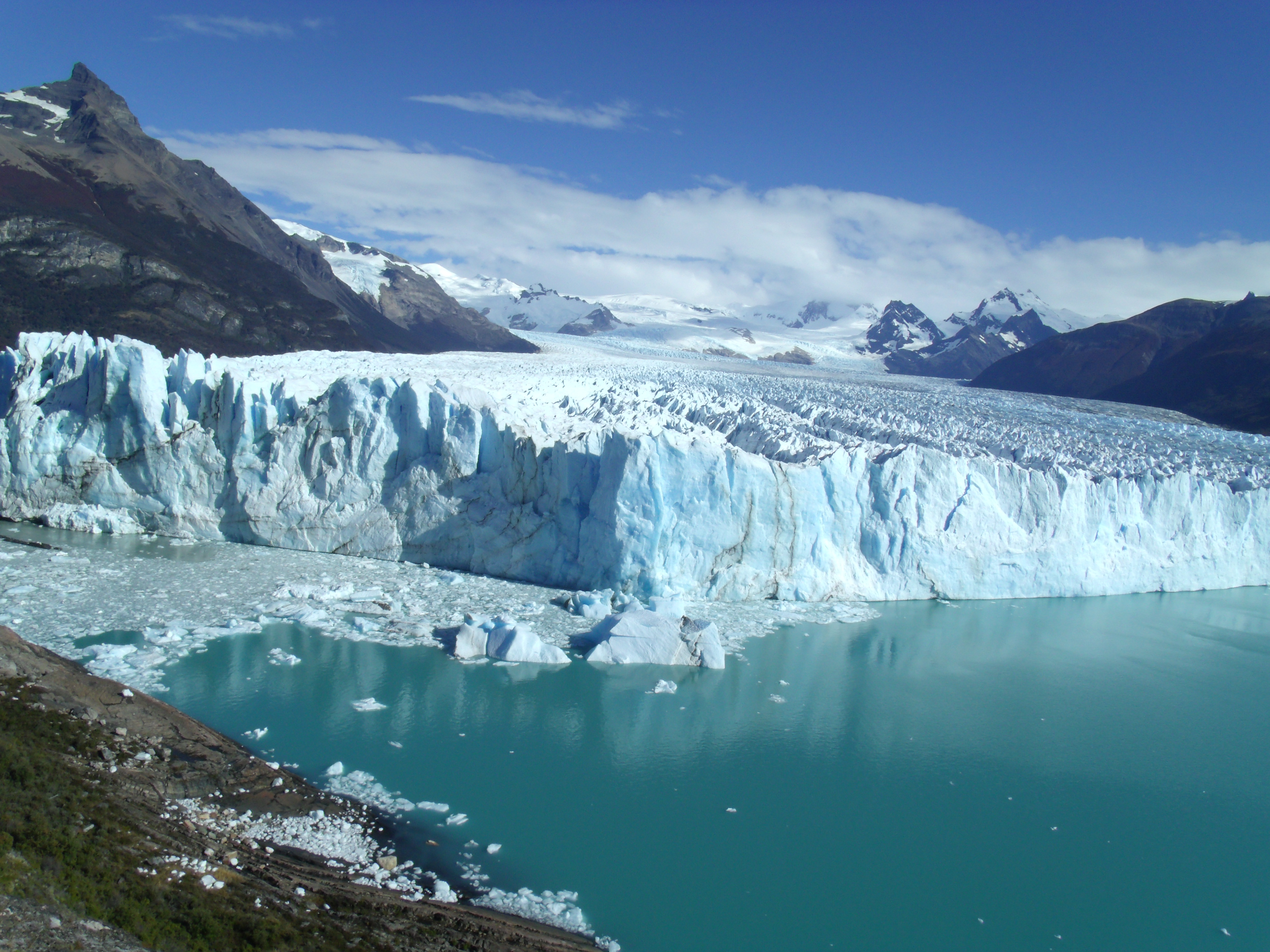
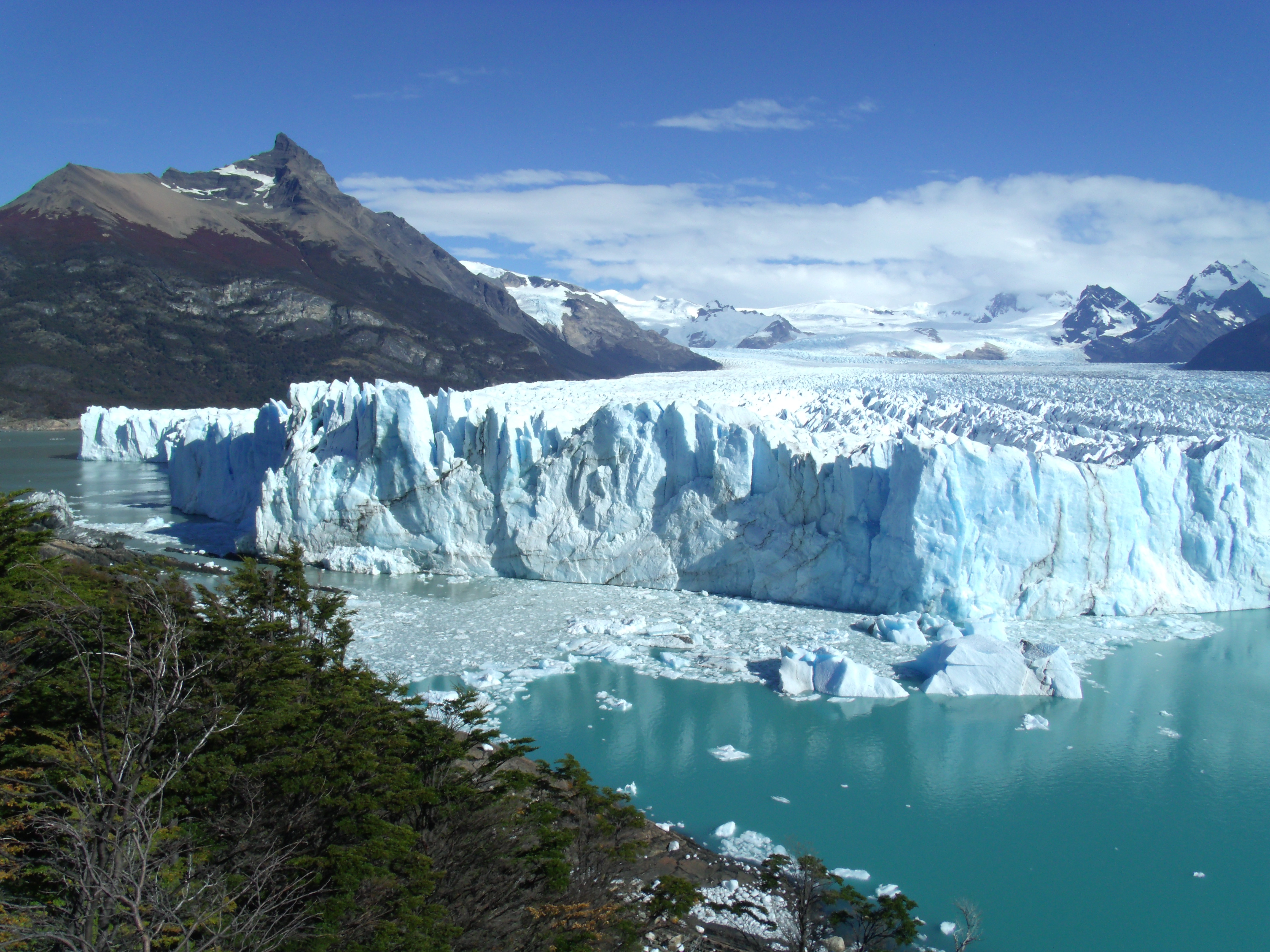
Perito Moreno sits in Santa Cruz Province, southwest Argentina, about 50 miles (80 km) west of El Calafate, within Los Glaciares National Park. It forms part of the Southern Patagonian Ice Field—one of Earth’s largest reserves of fresh water. The glacier’s face stretches roughly 3 miles (5 km) across and towers around 240 feet (74 m) above the lake’s surface.
How to Get There: Routes and Travel Options
- By car: Follow paved Route 11 from El Calafate to the park entrance for panoramic views.
- By bus: Multiple companies run daily services between town and the boardwalk area.
- By air: Frequent domestic flights connect Buenos Aires (AEP/EZE) with El Calafate (FTE).
How the Glacier Was Formed Over Millennia
Perito Moreno began forming during the Pleistocene, as snowfall compacted into ice layers that crept down Andean valleys. Over ages, the ice sculpted U-shaped valleys and carved basins that later filled with meltwater, creating Lake Argentino’s dramatic fjord-like arms. The glacier’s striking blue shades occur because dense, compressed ice absorbs other wavelengths and reflects blue light.
The Science Behind Its Dynamic Movements
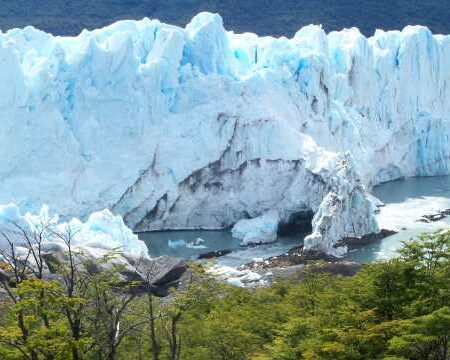
Gravity, snowfall, and underlying topography drive the glacier’s flow—measurable in feet per day. Stress fractures, crevasses, moulins, and seracs display its constant motion. When the advancing ice tongue meets land, it can dam the Brazo Rico arm of the lake. Pressure builds, tunnels form, and eventually an ice arch collapses, sending thunderous blocks into the water in a phenomenon known as the rupture.
One of the Few Advancing Glaciers on Earth
Most glaciers are retreating, yet Perito Moreno has shown long-term stability with periods of advance. Local weather patterns and basin geometry help maintain a balance between accumulation and ablation, making this glacier an important reference point for scientists and a rare sight for travelers.
The Spectacular Ice Rupture Phenomenon
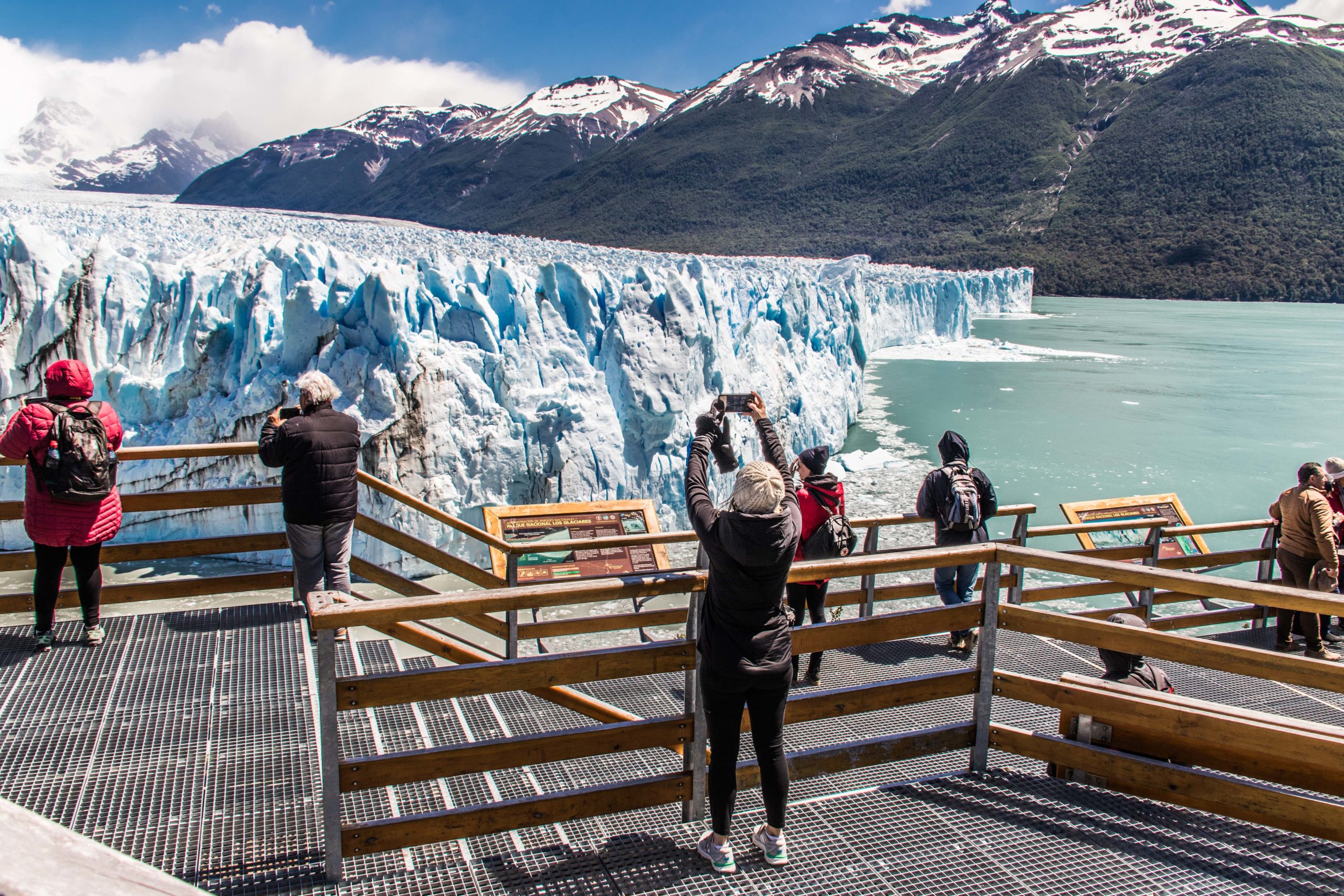
Every few years, the natural dam bursts in a dramatic rupture. Even outside these major events, daily calving is common—sheets of ice peel away, crash into the lake, and send ripples across the emerald surface, echoing like distant thunder.
Best Time to Visit Perito Moreno Glacier
- Summer (Dec–Feb): 50–68°F (10–20°C). Long days, prime for trekking and boat tours.
- Autumn (Mar–May): Fewer visitors; foliage contrasts beautifully with blue ice.
- Winter (Jun–Aug): Quiet, crisp, and serene; some services may be limited.
- Spring (Sep–Nov): Wildlife activity rises; bright light for photography.
Ideal Months for Glacier Exploration
November through April offers the broadest access to boardwalks and guided treks, plus higher chances to witness frequent calving due to warmer temperatures and faster ice flow.
Trekking and Ice Hiking Adventures
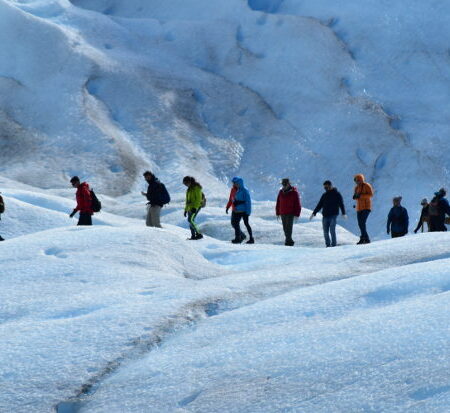
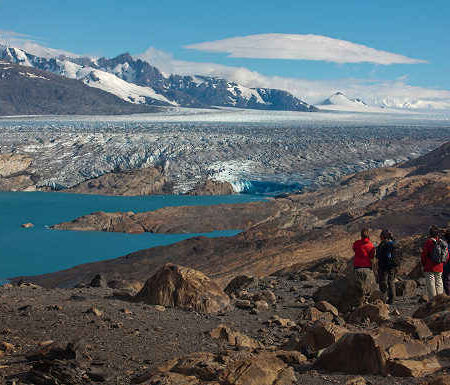
Guided mini-trekking and Big Ice tours let you walk the glacier with crampons, exploring crevasses, blue pools, and wind-carved sculptures while learning glaciology and safety basics from expert guides.
Boat Tours and Panoramic Viewing Platforms
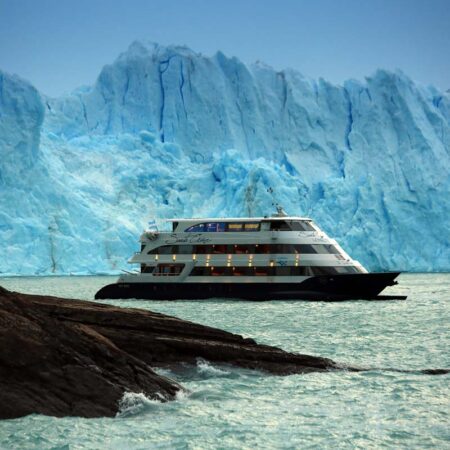
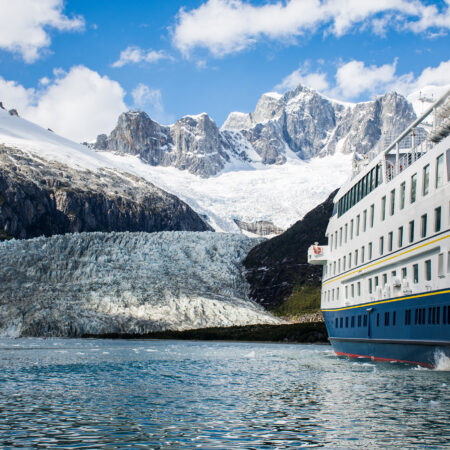
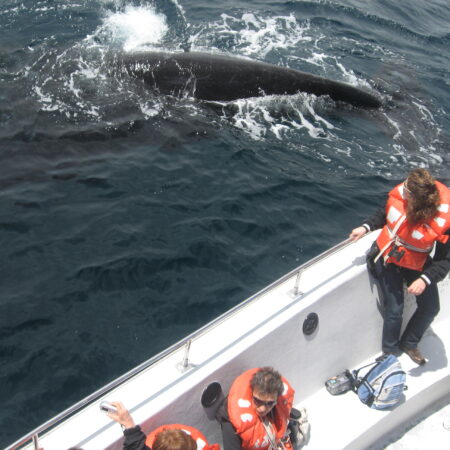
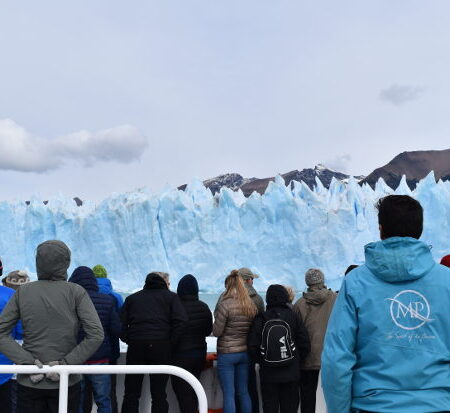
Catamarans cruise close to the north and south faces for face-to-face encounters with the ice wall. On land, the well-designed boardwalk network delivers multiple vantage points—from sweeping panoramas to intimate overlooks.
Photography Tips for Stunning Glacier Shots
- Arrive early or stay late for warm, low-angle light.
- Use a polarizer to cut glare and deepen blues.
- Set a fast shutter to freeze calving action.
- Include boats or people for scale.
Wildlife in Los Glaciares National Park
Patagonia teems with life adapted to wind and cold: Andean condors soar above cliffs, guanacos roam the steppe, Magellanic woodpeckers drum in lenga forests, and flamingos seasonally paint nearby shallows pink.
Native Plants and Ecosystems
Lenga and ñire forests cloak slopes, while mosses, lichens, and hardy shrubs anchor thin soils. Spring wildflowers punctuate the landscape with color, softening the stark drama of ice and rock.
How Glaciers Impact Global Climate Regulation
Glaciers store fresh water, reflect sunlight, modulate runoff, and influence ocean circulation. Their health offers a visible record of climate processes, helping researchers understand regional and global change.
Indigenous Heritage and Discovery of the Glacier
The Role of Tourism in El Calafate’s Growth
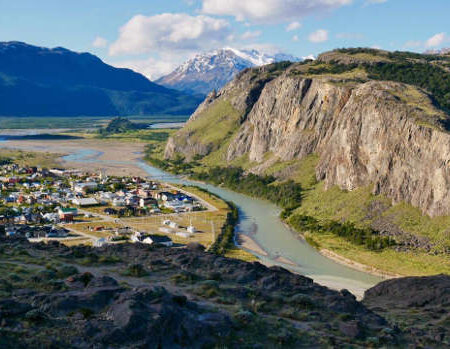
From a modest sheep-farming outpost, El Calafate has grown into Patagonia’s glacier capital, with a spectrum of stays—from backpacker hostels to boutique lodges—plus museums and cuisine that celebrate the steppe.
Packing Essentials and Safety Precautions
- Layer up—weather shifts quickly.
- Waterproof footwear for wet decks and trails.
- Sun and wind protection (hat, SPF, lip balm).
- Carry local currency for park fees and small purchases.
- Hydrate well; Patagonia’s air is dry.
Budgeting and Accommodation Options
El Calafate offers everything from budget hostels to high-end estancias and lodges overlooking Lake Argentino. Book peak-season stays early (Nov–Mar) to secure preferred options.
How Visitors Can Help Protect the Glacier
- Stick to marked paths and respect signage.
- Pack out all waste; avoid single-use plastics.
- Choose local operators that support conservation.
- Offset travel emissions where possible.
- Share what you learn to inspire responsible travel.
How Perito Moreno Stands Out from Icelandic and Alaskan Glaciers
Iceland and Alaska boast spectacular icefields, yet Perito Moreno is famed for accessibility, extensive viewing platforms, regular calving, and its rare stability. Few glaciers let you safely observe such powerful dynamics from so many angles in a single day.
FAQs About Perito Moreno Glacier
- How big is the Perito Moreno Glacier?
- About 250 km² (97 mi²), with a 5 km (3 mi) wide face rising ~74 m (240 ft) above the lake.
- Why is it called “Perito Moreno”?
- It honors Francisco P. Moreno, an Argentine explorer and naturalist nicknamed “Perito” (expert).
- Can visitors walk on the glacier?
- Yes—licensed guides offer mini-trekking and Big Ice experiences with all necessary gear.
- Is the glacier melting or advancing?
- Perito Moreno is considered stable with occasional advances due to local conditions.
- How often does the ice rupture occur?
- Major ruptures occur every few years; smaller calving is common daily in warmer months.
- What wildlife can I see near the glacier?
- Look for condors, guanacos, Magellanic woodpeckers, and seasonal flamingos.
Perito Moreno Glacier Deserves a Place on Your Bucket List
The Perito Moreno Glacier isn’t just a sight—it’s a symphony of ice, wind, and water. From boardwalk panoramas and boat tours to crampon treks across ancient ice, every moment underscores nature’s power and resilience. If Patagonia calls, let this glacier lead your itinerary. You’ll leave with photos you love—and a newfound respect for Earth’s frozen frontiers.