

In the Land of the End of the World, craft beer is a ritual deeply rooted in the identity of the landscape.
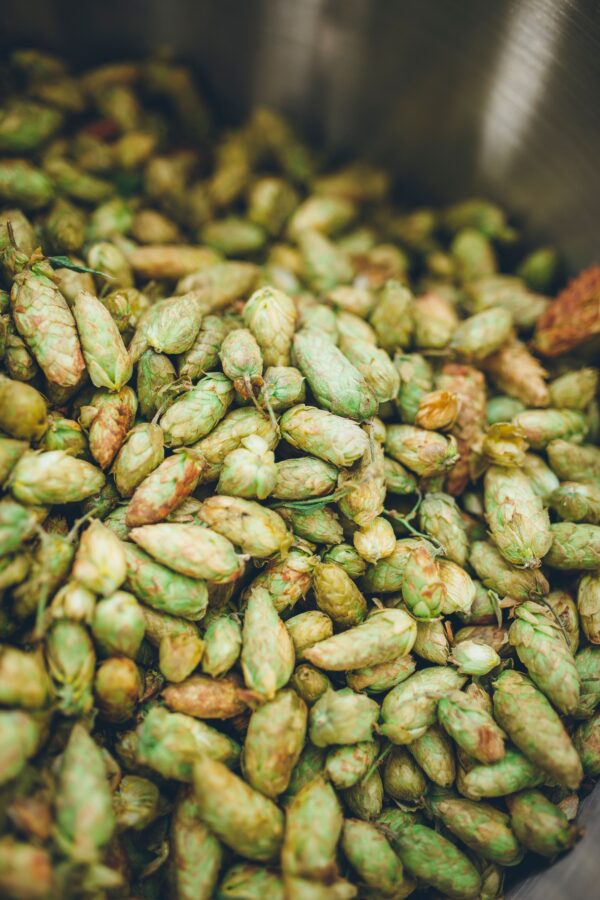
Patagonia has transformed its geographic isolation into a flawless alchemy, marrying the pristine meltwaters of its glaciers with the robust hops that blanket the valleys of El Bolsón. Yet the true secret of this liquid revolution lies not in the inherited recipes of Central European settlers, but rather concealed within the bark of the ancient trees that stand guard over the southern lakes.
For centuries, the global beverage industry harbored a botanical mystery that baffled brewmasters across Europe: the biological origin of lager yeast, the organism responsible for nearly ninety percent of the beer consumed on the planet today. The answer was not tucked away in the abbeys of Munich or the cellars of Prague, but deep within the leafy Andean-Patagonian forests.
Just over a decade ago, scientists identified Saccharomyces eubayanus, a wild yeast endemic to Patagonia that proved to be the missing link in the genetics of modern lager. This ancestral microorganism, which survives clinging to the knots of lenga and ñire trees, stoically enduring sub-zero temperatures, traveled fortuitously centuries ago from the southernmost tip of the Americas to the Old World, forever altering the history of fermentation.
Today, to drink a wild-fermented beer in San Carlos de Bariloche or along the craggy shores of Lake Nahuel Huapi is to directly savor that untamable ecosystem. Local producers have begun to rescue and domesticate this indigenous yeast to craft styles that are entirely Patagonian, achieving aromatic profiles that elude the traditional classifications of the Beer Judge Certification Program (BJCP).
On the palate, these native beers offer unmistakable rustic notes: an earthy spiciness reminiscent of damp forest moss after a snowfall, a subtle hint of clove, and a superbly dry finish that cleanses the mouth, preparing it to be paired with a fine plate of spit-roasted lamb or smoked trout. It is an elevated sensory experience that tethers the sense of taste straight to the austral botany.
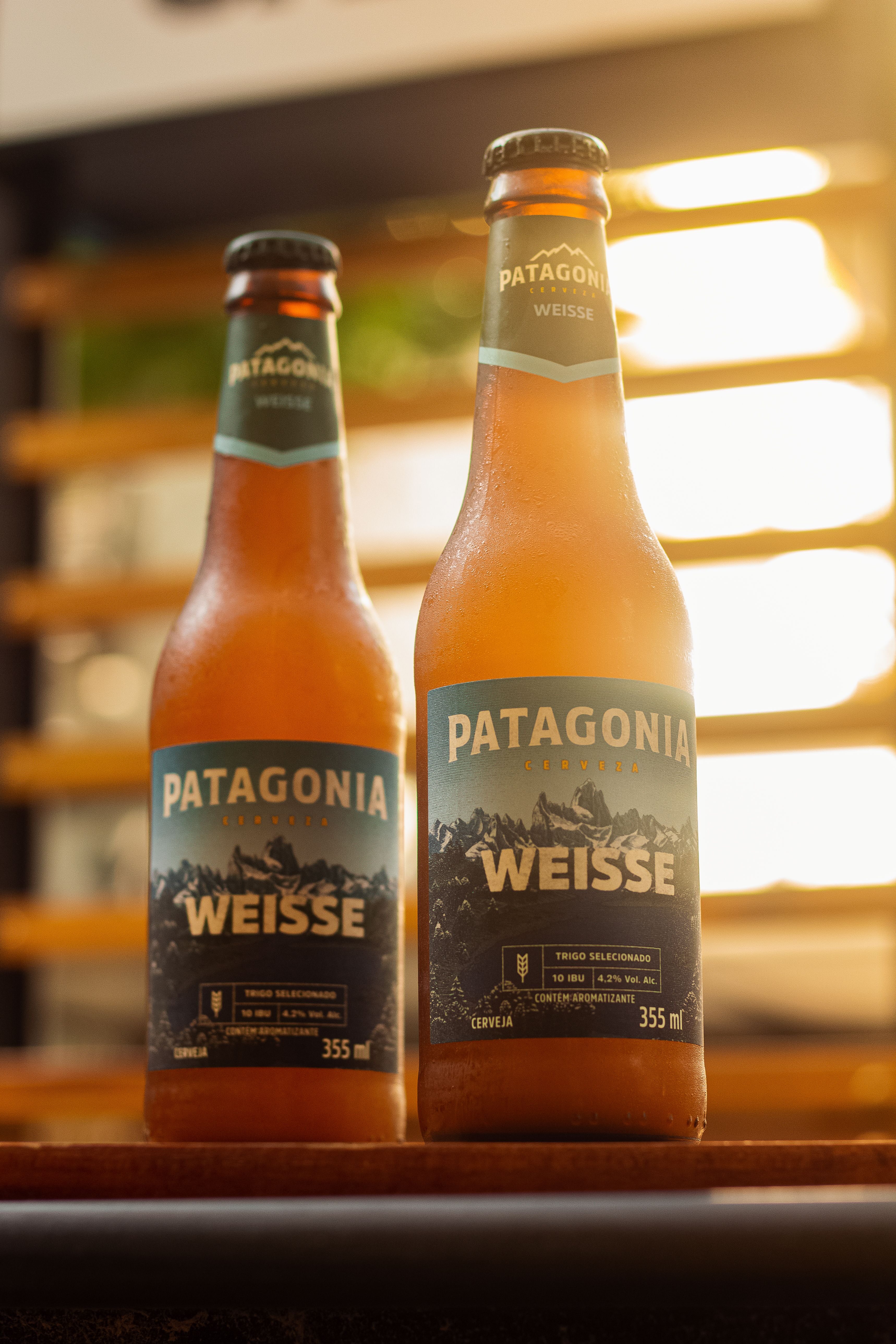
The undisputed epicenter of this effervescence lies in San Carlos de Bariloche and its environs, an Andean corridor that boasts the highest density of microbreweries in South America. From the legendary Blest, which ignited the first artisanal spark in the area in the late nineteen-eighties, to the multi-award-winning Berlina and the colossus that is Cervecería Patagonia—whose imposing estate overlooking Lake Moreno on the Circuito Chico is a mandatory site of pilgrimage—production has scaled up without relinquishing its territorial matrix.
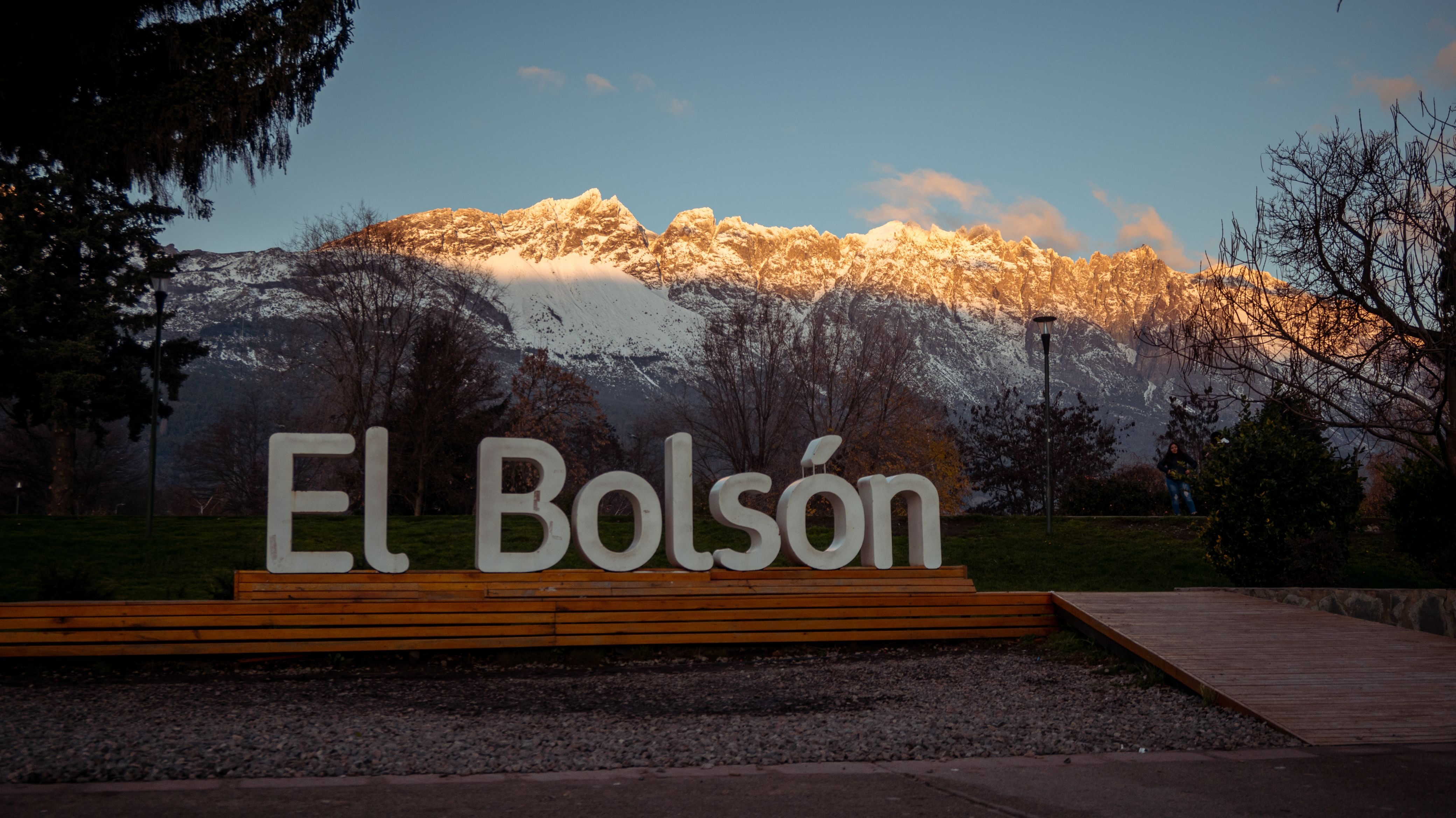
It is precisely Cervecería Patagonia, the most celebrated brand in the region, that is responsible for bottling the spirit of the end of the world and catapulting it abroad. Its immense commercial and distributive machinery opened the door to an ambitious wave of exports that today places beers of southern extraction on the chalkboards and shelves of Brazil, the United States, and Europe. Joining this robust Bariloche hub are El Bolsón, the historical mecca that supplies the fresh hops, and the extreme outposts of Ushuaia, forging a production route that has transformed a quiet mountain secret into a thriving international industry.
The true essence of Patagonia is not merely traversed upon the crunching ice of its glaciers, nor breathed in the biting air of the steppe; it is also drunk, slowly and contemplatively, discovering in every sip the wild spirit of a forest that, in the most absolute of silences, taught the entire world how to ferment.